Quick Answer
If you are searching for pool repair service near me, it is usually time to call a professional when your pool has weak circulation, cloudy or green water that keeps coming back, leaking equipment, high filter pressure, pump noise, heater problems, air bubbles, broken valves, or equipment that will not turn on. A professional inspection can help identify whether the issue is related to the pump, filter, heater, plumbing, valves, automation, water flow, or water chemistry before quoting the repair.
Why Pool Repair Should Start with an Inspection
When something goes wrong with a swimming pool, it is not always easy to know what caused the problem. Cloudy water may look like a chemical issue, but it may actually be caused by poor filtration. A heater may look broken, but the real issue could be low water flow. A pump may sound bad, but the problem may come from air entering the system. A green pool may seem like an algae problem, but it may also involve dirty filters or weak circulation.
That is why a good pool repair service should not guess. Before giving a final repair price, the pool and equipment should be inspected. This helps identify the actual issue and prevents homeowners from paying for the wrong repair.
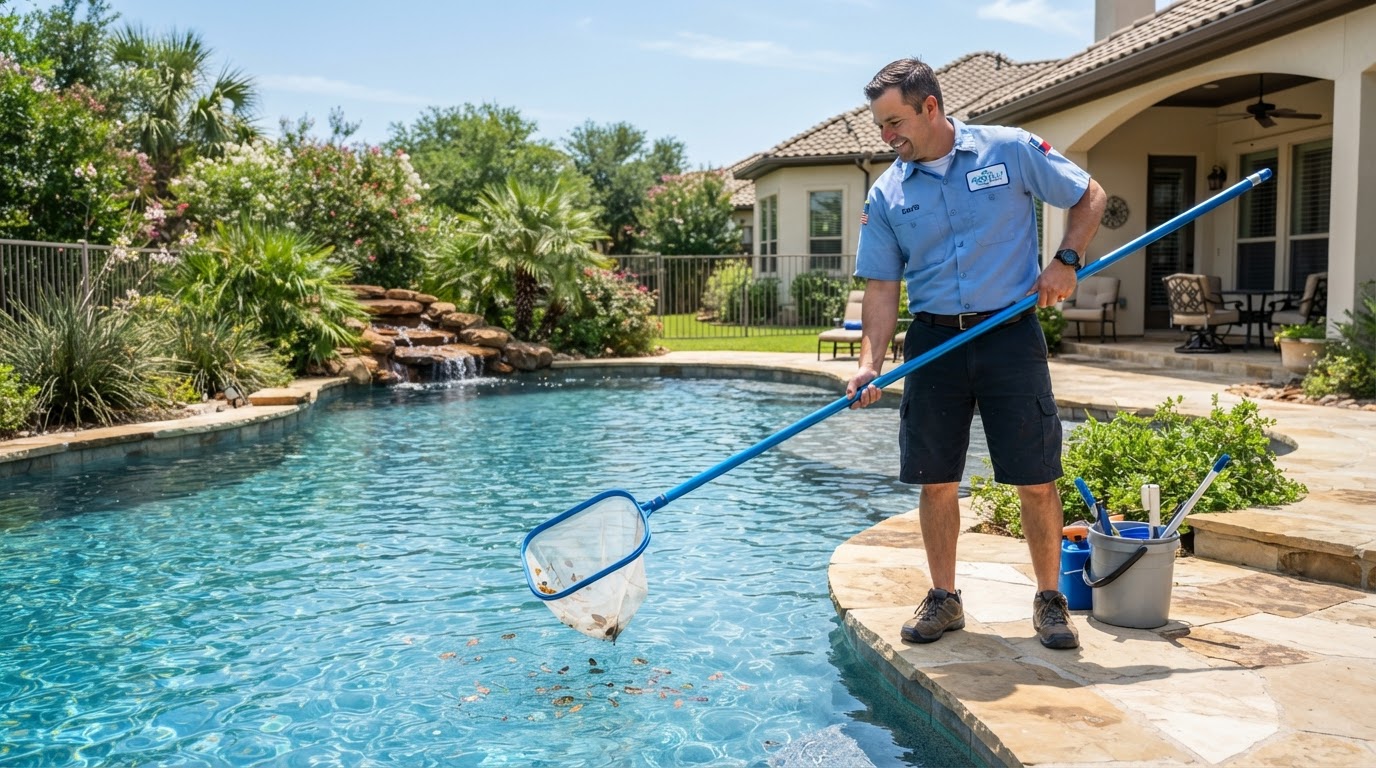
Wise Pool Services helps homeowners across Wise County, Collin County, and Tarrant County with pool equipment inspections, pool repair support, maintenance, filter checks, water testing, and professional pool care.
What Does Pool Repair Service Mean?
Pool repair service can include many different types of work depending on what is wrong with the pool system. Pool repair may involve pool pump repair, pool filter repair, pool heater repair, pool plumbing repair, valve repair or replacement, equipment pad repair, pool automation troubleshooting, salt system service, leak-related equipment checks, pool circulation problems, filter pressure problems, water flow issues, and pool equipment replacement recommendations.
Some pool repair issues are simple. Others may require parts, additional labor, or licensed support depending on the type of repair. The first step is understanding the problem clearly.
1. Your Pool Pump Is Not Working Properly
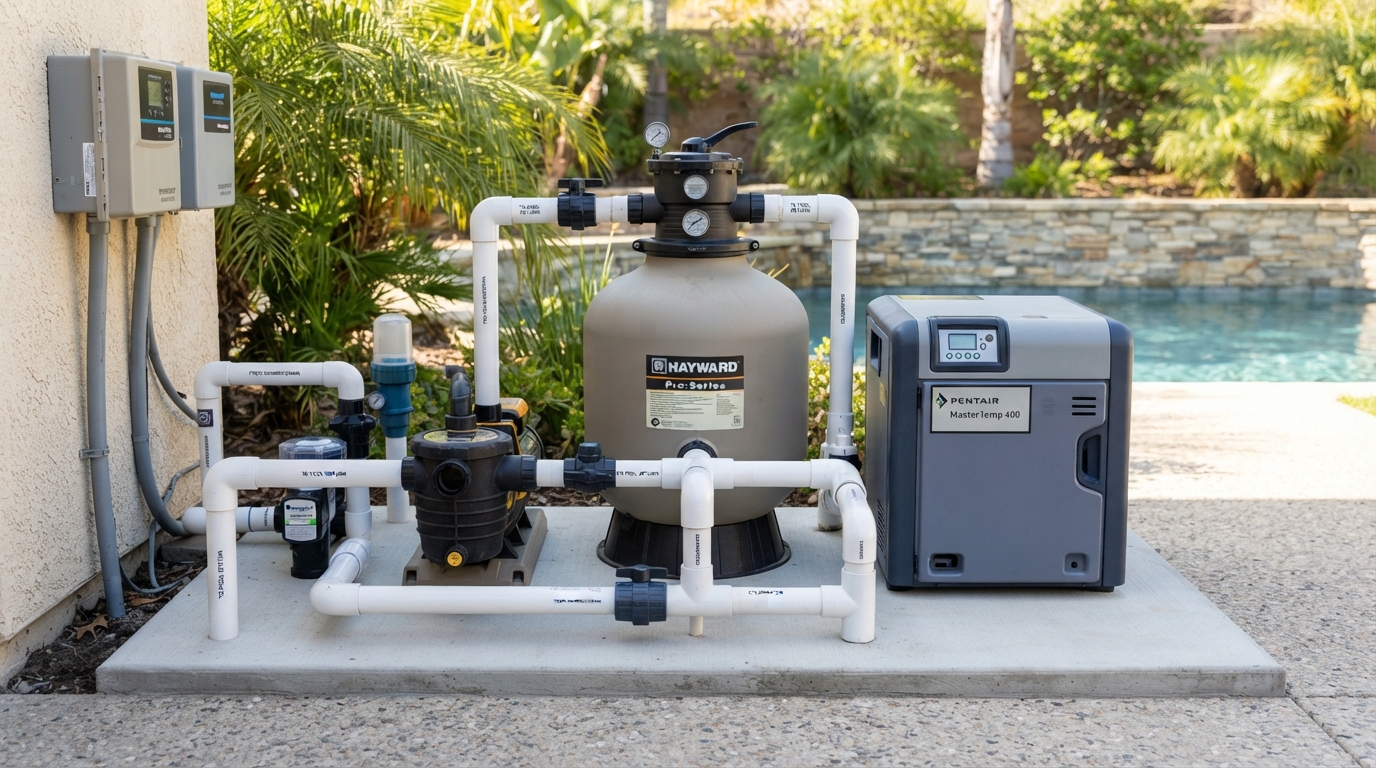
The pool pump is one of the most important parts of your pool system. It moves water through the filter, heater, plumbing, valves, and return lines. You may need pool pump repair if you notice the pump will not turn on, makes loud noises, leaks, loses prime, the pump basket does not stay full of water, air bubbles appear in the return jets, water flow feels weak, the pump overheats, or the pool water becomes cloudy because of poor circulation. A bad or weak pump can affect the entire pool.
2. Your Pool Filter Pressure Is Too High
High filter pressure is a common sign that something is restricting water flow. This may happen because of dirty filter cartridges, a clogged filter, damaged filter elements, internal filter problems, algae buildup, debris overload, valve position issues, or a plumbing restriction. If pressure gets too high, the system may struggle to move water. Sometimes the filter simply needs cleaning. Other times, the filter cartridge or filter system may need repair or replacement.
3. Your Pool Heater Is Not Working
Pool heater issues are one of the most common reasons homeowners search for swimming pool repair near me. A pool heater may need service if it will not turn on, starts and shuts off, shows an error code, does not heat the water, heats slowly, leaks, smells like gas, makes unusual noises, or works inconsistently. Pool heater problems may be caused by the heater itself, but they may also be caused by dirty filters, low water flow, pump issues, valves, gas supply, ignition problems, electrical controls, sensors, or automation settings.
4. You See Leaks Around the Equipment Pad
Visible water around pool equipment should not be ignored. Leaks may come from the pool pump, filter housing, heater connections, PVC plumbing, valves, unions, fittings, cracked equipment, loose connections, or equipment pad plumbing. Some leaks are small and simple. Others can become expensive if ignored. A pool equipment inspection helps determine where the leak is coming from.
5. Your Pool Water Keeps Turning Cloudy
Cloudy water is not always just a chemical problem. Cloudy pool water may be caused by a dirty filter, poor circulation, weak pump, low sanitizer, unbalanced pH, algae beginning to grow, heavy pool use, storm debris, equipment problems, or filter pressure issues. If you keep adding chemicals but the water does not clear, the problem may be connected to filtration, circulation, or equipment.
6. Your Pool Keeps Turning Green
A green pool usually means algae is present, but the reason algae keeps coming back may involve more than chemicals. Recurring green water may be caused by low chlorine, poor water balance, dirty filter, filter cartridge failure, weak circulation, pump problems, missed brushing, high debris load, storm contamination, or poor equipment performance. If the pool turns green again after treatment, it may be time to inspect the filter, pump, circulation, and equipment setup.
7. You Notice Weak Water Flow
Weak water flow can affect cleaning, filtration, chemical distribution, and heater performance. Signs of poor water flow include weak return jets, air bubbles, pump losing prime, heater not turning on, pool not skimming properly, dirt staying on the bottom, cloudy water, algae growth, and filter pressure problems. Weak flow may come from the pump, filter, valves, plumbing, baskets, water level, or air leaks.
8. Your Pool Equipment Makes Unusual Noises
Unusual equipment noises are warning signs. You may hear grinding, screeching, humming, rattling, banging, clicking, loud vibration, pump cavitation sounds, or heater ignition sounds. Noise can come from pump bearings, motors, fan components, loose parts, air in the system, plumbing vibration, or heater issues. If the noise is new, loud, or getting worse, schedule an inspection before the problem becomes more serious.
9. Your Pool Automation Is Not Working
Many modern pools use automation systems to control pumps, heaters, lights, spa mode, valves, salt systems, and schedules. Automation problems may include the app not connecting, schedule not running, pump not responding, heater not turning on, valves not switching, spa mode not working, control panel errors, or equipment not communicating. Sometimes the equipment is fine, but the automation system is not sending the correct command.
10. Your Salt System Is Not Producing Chlorine
Saltwater pools still need chlorine. A salt system creates chlorine from salt in the water, but it must be working properly. A salt system may need service if chlorine stays low, the pool turns green, the salt system shows warning lights, the salt cell has scale buildup, error messages appear, chlorine production seems weak, the salt reading looks incorrect, or the water is cloudy even though the system is running. Salt system problems can affect water clarity and algae control.
When Pool Repair Is More Than Regular Maintenance
Regular pool maintenance helps prevent problems, but repairs may be needed when equipment stops performing correctly. Maintenance may include cleaning, brushing, skimming, water testing, chemical balancing, basket cleaning, filter checks, and basic equipment observation. Repair may be needed when equipment fails, parts leak, water flow is restricted, the pump loses prime, the heater stops working, the filter is damaged, plumbing leaks, automation stops responding, or equipment needs replacement.
Why the First Inspection Matters for Pricing
Pool repair pricing depends on what is actually wrong. The cost may vary based on the type of equipment, age of equipment, part availability, severity of the problem, pool size, water condition, filter type, equipment access, plumbing setup, labor required, whether licensed support is needed, and whether replacement is better than repair. That is why Wise Pool Services starts with an inspection. Once the pool and equipment are reviewed, we can provide a clearer recommendation and pricing before moving forward.
Pool Repair Service Near Me in North Texas
Wise Pool Services helps homeowners across North Texas with pool inspections, pool maintenance, pool repair support, and equipment-related concerns. We serve areas across Wise County, Collin County, Tarrant County, Decatur, Rhome, Azle, Bridgeport, Boyd, Paradise, Frisco, McKinney, Prosper, Plano, Celina, Haslet, Saginaw, Lake Worth, Fort Worth, and nearby communities. If you are searching for pool repair service near me, the best first step is to have the pool and equipment inspected before guessing at the repair.
What Wise Pool Services Can Inspect
During an inspection, Wise Pool Services may review pool water condition, pump operation, filter pressure, filter condition, heater condition, water flow, skimmer baskets, pump basket, valves, plumbing, visible leaks, automation settings, salt system condition, equipment pad layout, basic equipment concerns, signs of algae, water clarity, and maintenance needs. After the inspection, we can explain what we found and provide pricing for the recommended work before moving forward.
Start with a Free In-Home Pool Inspection
Not sure what is wrong with your pool? Wise Pool Services offers a free initial in-home pool inspection for qualifying service areas. There is no cost for the first inspection visit. This allows us to look at your pool, equipment, filter, pump, heater, plumbing, water flow, and visible concerns before quoting repair or service. After the inspection, we can give you a clearer idea of what is needed and what the cost would be before any work begins.
Final Recommendation
If your pool is not working properly, do not wait until the problem gets worse. Call a professional if you notice weak circulation, cloudy water, green water, pump noise, high filter pressure, heater problems, leaking equipment, automation issues, or recurring maintenance problems. Pool repair should start with inspection. That is the best way to identify the real issue, avoid unnecessary work, and understand the right next step.
Frequently Asked Questions
Related Pool Service Resources
Need Help with Your Pool?
Wise Pool Services provides professional pool care across Wise County, Collin County, and Tarrant County.
Weekly pool service starts at $45 per visit. New recurring customers may qualify for free filter cleaning.